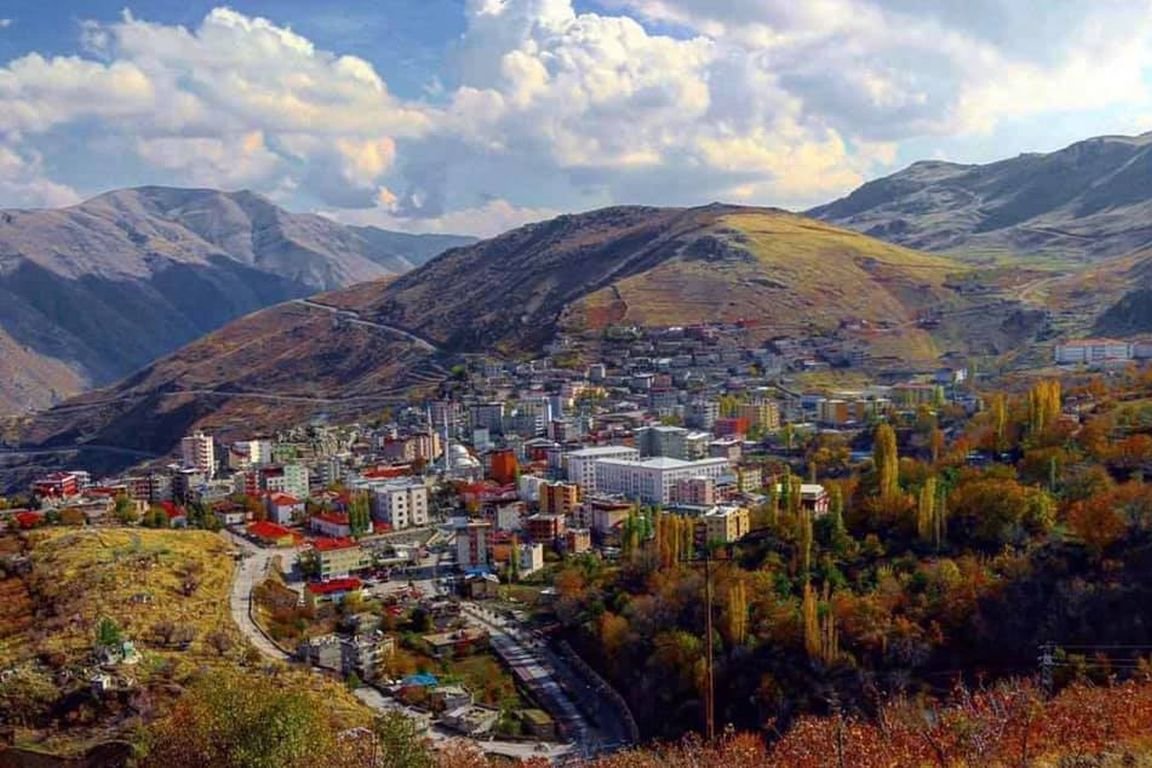
Located in the heart of Southeastern Anatolia, Siirt is a city rich in history, culture, and tradition. Throughout the centuries, its strategic position along important trade and cultural routes allowed it to flourish as a center of learning, commerce, and religious life. Today, Siirt remains one of Turkey’s lesser-known yet fascinating destinations, offering visitors a unique blend of historical monuments, spiritual heritage, traditional craftsmanship, and authentic local culture.
From ancient mosques and religious complexes to renowned handicrafts and agricultural products, Siirt presents a captivating journey into the cultural heritage of Anatolia.
A City Shaped by History
Siirt’s history stretches back thousands of years, with numerous civilizations leaving their mark on the region. However, the city achieved particular prominence during the era of the Abbasid Caliphate, when it became an important center of Islamic scholarship, trade, and culture.
Throughout its long history, Siirt has witnessed the influence of various empires and civilizations, including the Arabs, Seljuks, Artuqids, Ottomans, and many others. This rich historical legacy is reflected in the city’s architecture, traditions, and cultural identity.
Walking through Siirt’s historic neighborhoods, visitors can still sense the atmosphere of a city that once played an important role in the intellectual and commercial life of the region.
The Magnificent Ulu Mosque
Among Siirt’s most important historical landmarks is the Ulu Mosque (Grand Mosque), a remarkable example of Seljuk architecture dating back to the 12th century.
The mosque stands as one of the city’s oldest and most significant religious monuments. Its elegant stonework, historical inscriptions, and impressive architectural design reflect the artistic achievements of the Seljuk period.
For centuries, the Ulu Mosque has served not only as a place of worship but also as a center of community life and religious education. Today, it remains one of the most visited historical attractions in Siirt and an essential stop for anyone interested in Islamic architecture and history.
Asakir Carsi Mosque
Another important religious monument is the Asakir Carsi Mosque, built during the 13th century. Situated within one of the city’s historic commercial districts, the mosque reflects the close relationship between trade, community, and religious life that characterized medieval Anatolian cities.
Its architecture and historical significance make it a valuable example of the region’s cultural heritage and a testament to Siirt’s long-standing role as a center of commerce and faith.
Aydinlar (Tillo): A Spiritual and Scientific Center
Just six kilometers from Siirt lies the historic town of Aydinlar, traditionally known as Tillo. This charming settlement is one of the most important spiritual centers in southeastern Turkey and attracts visitors interested in religion, history, and science.
Surrounded by scenic hills and a tranquil atmosphere, Tillo has long been associated with Islamic scholarship and mysticism. The town has produced many respected scholars, theologians, and intellectuals throughout its history.
Today, Tillo remains one of the most meaningful excursion destinations for visitors exploring Siirt Province.
The Ibrahim Hakki Mausoleum Complex
One of Tillo’s most important landmarks is the Ibrahim Hakki Mausoleum Complex, dedicated to the renowned 18th-century scholar, philosopher, astronomer, poet, and Sufi thinker Ibrahim Hakki of Erzurum.
The complex serves as both a place of pilgrimage and a center of historical interest. Visitors can learn about Ibrahim Hakkı’s remarkable contributions to science, philosophy, astronomy, and Islamic thought while admiring the site’s peaceful architecture and spiritual atmosphere.
His writings and scientific studies continue to be respected throughout Turkey and the wider Islamic world.
The Ibrahim Hakki Astronomical Museum
Located near the mausoleum is the fascinating Ibrahim Hakki Astronomical Museum, which highlights the scholar’s remarkable achievements in astronomy and scientific observation.
One of the most impressive aspects of Ibrahim Hakki’s work was his innovative understanding of celestial movements and solar observations. The museum showcases his scientific legacy through exhibits, models, and educational displays that help visitors appreciate the advanced level of scientific knowledge present in Anatolia during the Ottoman period.
The museum offers a unique combination of science, history, and culture rarely found elsewhere in the region.
The Land of Famous Pistachios
Siirt is widely known throughout Turkey for producing some of the country’s finest pistachios. Thanks to favorable climatic conditions and fertile soils, the region’s pistachio trees yield exceptionally large, flavorful nuts highly valued for their quality.
Siirt pistachios are used in:
- Traditional Turkish desserts
- Baklava and pastries
- Ice cream
- Confectionery products
- Gourmet culinary dishes
The pistachio industry plays a significant role in the local economy and has become one of the region’s most recognizable agricultural products.
Visitors often purchase freshly harvested pistachios as a delicious souvenir of their journey.
Traditional Crafts and Handwoven Textiles
Beyond agriculture, Siirt is equally renowned for its traditional handicrafts, particularly its goat-hair textiles and handwoven kilims.
For centuries, local artisans have transformed natural goat hair into durable and beautifully crafted products that are prized throughout Turkey.
Among the most famous traditional products are:
- Goat-hair blankets
- Handwoven kilims
- Traditional rugs
- Decorative textiles
- Household furnishings
These handcrafted items reflect generations of artistic skill and cultural tradition, preserving techniques that have been passed down through families for centuries.
Visitors can often observe local artisans at work and purchase authentic handmade products directly from workshops and markets.
A Taste of Authentic Southeastern Anatolia
Siirt’s rich cultural heritage is also reflected in its cuisine. Traditional dishes combine influences from Anatolian, Kurdish, Arab, and Ottoman culinary traditions, creating distinctive flavors unique to the region.
Local specialties often feature:
- Lamb and meat dishes
- Fresh herbs and spices
- Traditional breads
- Dairy products
- Pistachio-based desserts
- Regional pastries
Dining in Siirt offers visitors an opportunity to experience the authentic flavors of southeastern Turkey while enjoying the warmth and hospitality of the local people.
A Destination Beyond the Tourist Trail
Unlike many of Turkey’s major tourist destinations, Siirt retains a genuine and authentic atmosphere. Visitors encounter traditional lifestyles, historic architecture, living cultural traditions, and warm hospitality that provide a deeper understanding of the country’s diverse heritage.
Whether exploring ancient mosques, visiting the spiritual center of Tillo, learning about Ottoman astronomy, shopping for handcrafted textiles, or tasting the region’s famous pistachios, travelers discover a destination rich in character and history.
Siirt is a remarkable city where history, spirituality, science, craftsmanship, and tradition come together to create a truly unique travel experience. From the Seljuk-era Ulu Mosque and the historic Asakir Carsi Mosque to the cultural treasures of Tillo and the scientific legacy of Ibrahim Hakki, the region offers countless opportunities for exploration and discovery.
For travelers seeking authentic cultural experiences beyond Turkey’s well-known tourist routes, Siirt stands as one of Southeastern Anatolia’s most rewarding and fascinating destinations.